
Hiring Signal
People And Access
Belonging is built into the work.
Wolfcrest & Co. is a distributed company, which means inclusion cannot depend on hallway access, inherited networks, or someone already knowing how the room works. We have to design for participation on purpose.
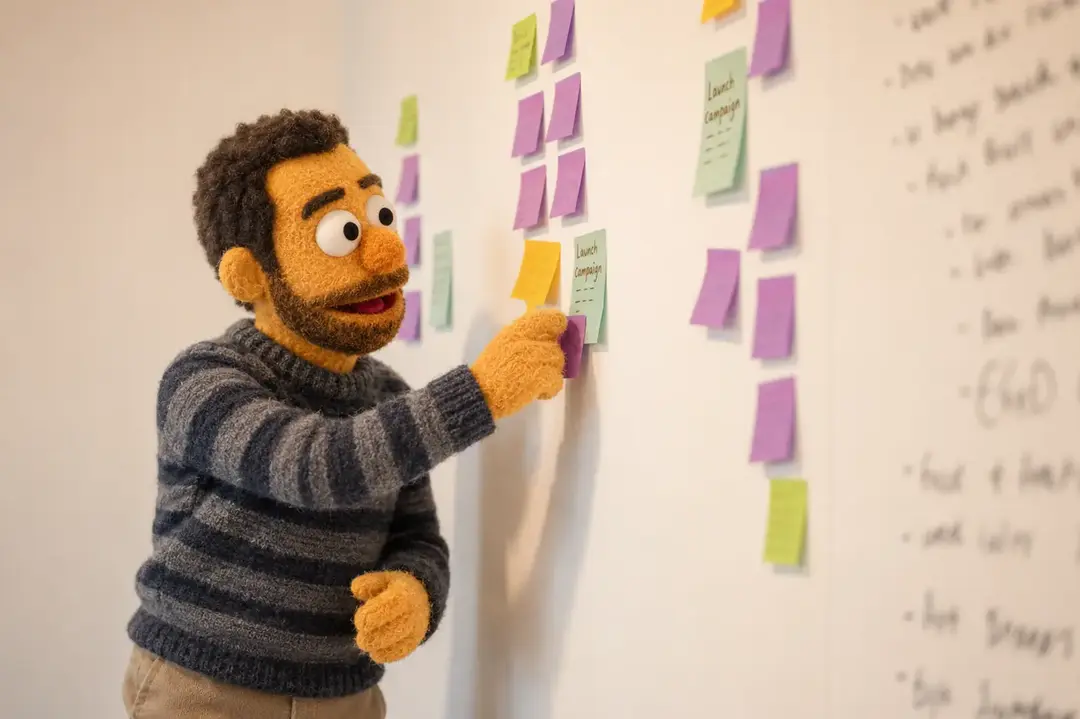
Image context: Archival working imagery retained from the previous site. The people shown are not identified, and no current role or affiliation is implied.
Our Position
Diversity Improves How Decisions Are Made
Different backgrounds, bodies, cultures, disciplines, abilities, and life patterns change what a team can notice. That only becomes useful when the operating system of the company lets people contribute without translating themselves into one narrow default.
Operating Commitments
Where the promise has to become behavior.
Access
Make participation easier to enter.
Distributed work asks people to contribute across time zones, tools, languages, energy levels, and life constraints. We design rituals, documentation, and meeting habits so access is not dependent on being the loudest person in the room.Growth
Give people context before judging performance.
Feedback should explain what good looks like, what changed, and what support is available. Ambiguity is expensive, especially for people who have not historically been handed informal context.Staying Power
Notice friction before it becomes departure.
We treat recurring friction as operating data. Patterns in workload, sponsorship, belonging, compensation, or role clarity deserve attention while they can still be changed.Practice Ledger
Check Where People Lose Access
Hiring, meetings, feedback, sponsorship, compensation, conflict, and departures all create evidence. We use that evidence to improve the system, not to defend it.

Belonging shows up in the mechanics.
Who gets context, who can challenge a direction, who receives useful feedback, who has room to recover, and who is trusted with meaningful work all matter more than a polished statement.

The company has to keep learning from its people.
We expect our practices to change as the team changes. When a pattern keeps making work harder for a group of people, the answer is not to ask them to carry it quietly.
Feedback Loops
We focus on moments that can be designed, reviewed, and repaired.
Before A Role Opens
- Define the business need and success signals before sourcing begins.
- Separate required skills from habits that can be learned after joining.
- Review job language for unnecessary barriers and unclear expectations.
While Work Is Happening
- Document decisions so context does not live only in private conversations.
- Make room for dissent, questions, and alternative paths before decisions harden.
- Use facilitation practices that let quieter or newer voices contribute with substance.
When Someone Needs More
- Respond to access needs without turning them into a test of commitment.
- Pair feedback with specific support, sponsorship, or role clarity.
- Treat harm and exclusion as repair work, not as a branding problem.
Signals We Watch
The health of the culture is visible in ordinary operating data.
- Candidate experience
- Interview consistency
- Onboarding clarity
- Manager follow-through
- Advancement access
- Compensation review
- Workload sustainability
- Exit and stay themes
Employment Standard
Equal opportunity is a baseline, not the finish line.
Wolfcrest & Co. makes employment decisions based on business needs, role requirements, individual qualifications, and demonstrated ability. We do not discriminate on the basis of race, color, religion, creed, national origin, ancestry, citizenship, age, sex, pregnancy, family or parental status, marital status, sexual orientation, gender identity, gender expression, disability, medical condition, genetic information, military or veteran status, political affiliation, language, socioeconomic background, hairstyle, or any other status protected by applicable law.
We also know legal compliance does not automatically create belonging. The practical work is ongoing: clearer expectations, fairer access, stronger management habits, and a workplace where people can name problems early enough to do something useful about them.
Roles