
Context Travels
Teams can make better decisions when the history, constraint, and tradeoff are easy to find without asking five people to reconstruct the room.
Culture
Wolfcrest & Co. culture is less about slogans and more about the conditions that let people make careful decisions together: shared context, visible standards, useful dissent, and recovery after pressure.

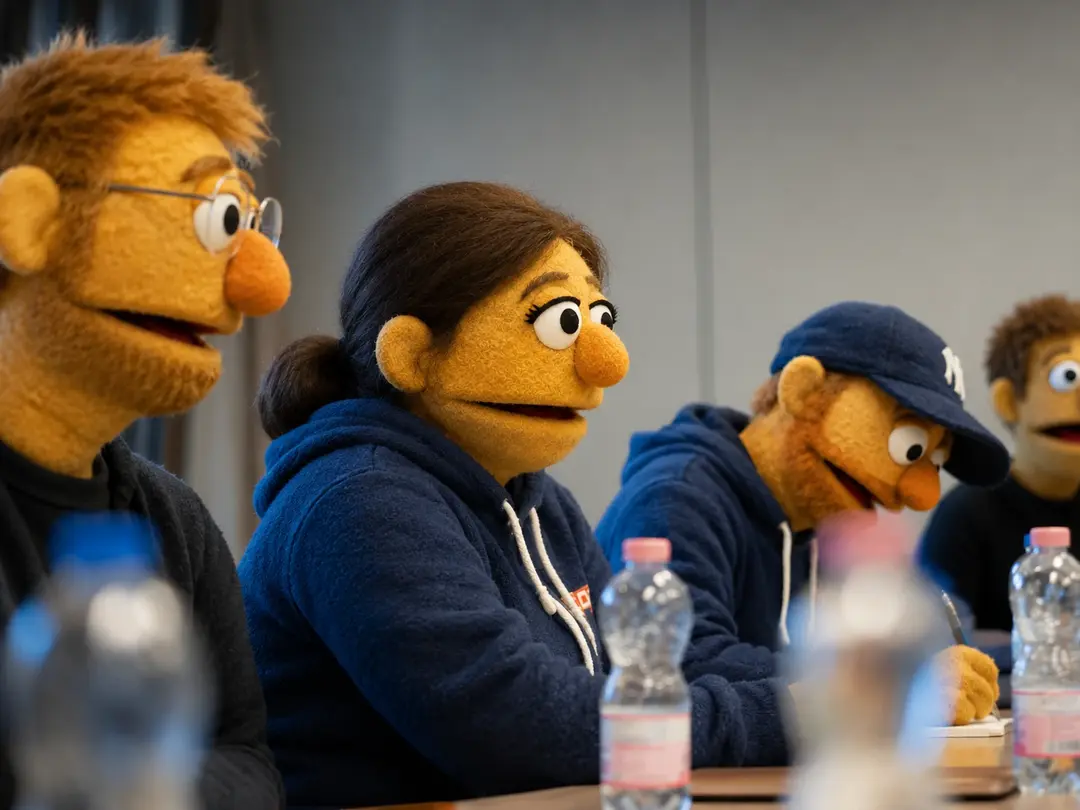
Image context: Archival working imagery retained from the previous site. The people shown are not identified, and no current role or affiliation is implied.
Premise
Culture shows up in how quickly context moves, how disagreement is handled, how decisions survive handoff, and whether people can do demanding work without normalizing chaos.
Operating Conditions
Teams can make better decisions when the history, constraint, and tradeoff are easy to find without asking five people to reconstruct the room.
Quality is easier to protect when teams know what good looks like before review, launch, or handoff pressure arrives.
Useful tension should improve the work. We separate dissent from performance theater and keep it tied to evidence.
Client work has urgent moments. The culture test is whether people can reset, learn, and avoid turning every project into an emergency pattern.
A strong team leaves behind artifacts, language, and practices another team can understand after the original makers move on.
Practice Loops
Before Work Starts
While Work Moves
When Work Transfers
Signals
How It Feels
We want a culture where useful questions are welcomed, commitments are understandable, and people can tell the truth about risk before the work depends on pretending it is fine.


Next Context