
Context
People Practice
Teams are designed, not discovered.
Wolfcrest & Co. brings people together around the work a client actually needs: clear thinking, durable systems, careful delivery, and the habits that let a team keep improving after launch.
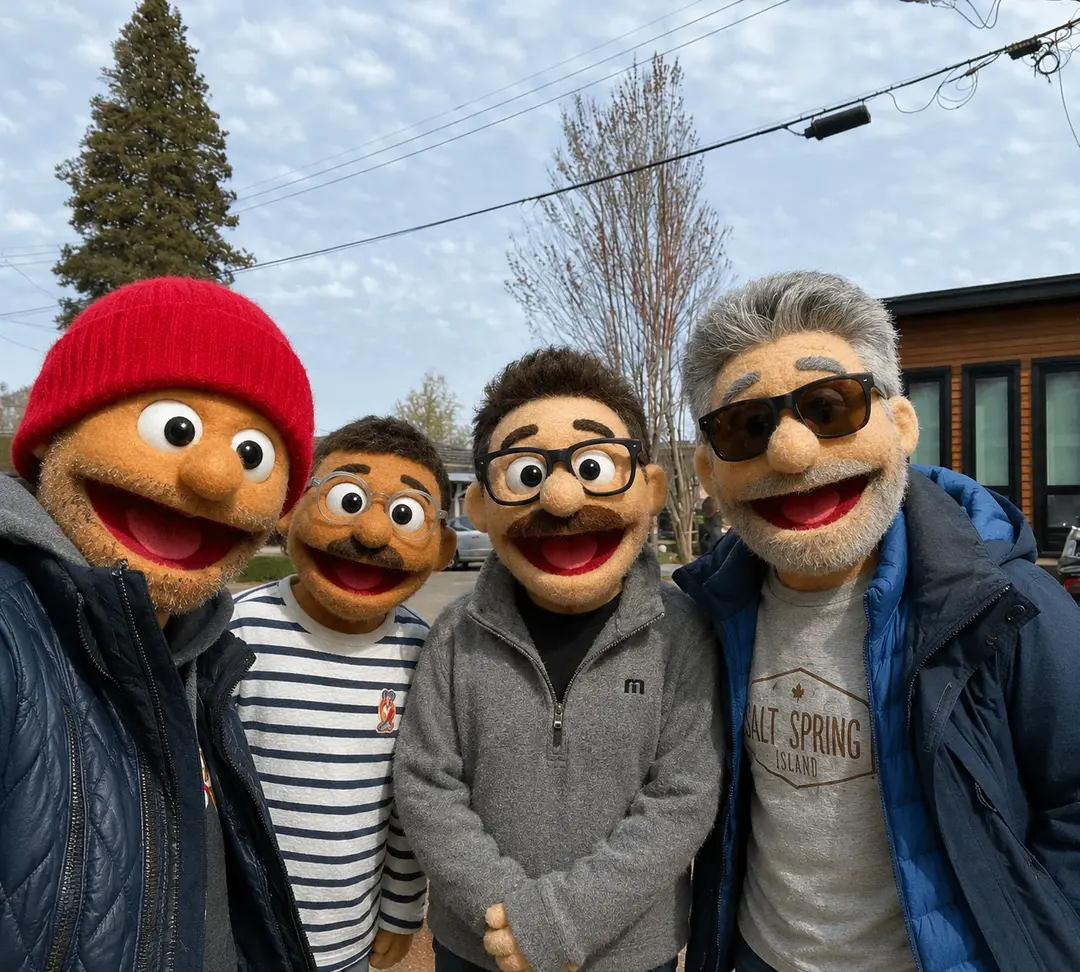
Image context: Archival working imagery retained from the previous site. The people shown are not identified, and no current role or affiliation is implied.
How We Think About People
Build the Conditions for Useful Work
Names, titles, locations, and public badges do not explain why a team works. The better evidence is operational: how quickly context travels, how clearly people decide, how feedback is handled, and whether the client team is stronger when the engagement ends.
Operating Principles
What our teams need from the system around them.
Craft
Depth matters more than theatrical seniority.
Strong teams need people who can diagnose, build, challenge, simplify, and transfer knowledge without making the work about themselves.Judgment
The best answer usually needs more than one discipline.
Product, engineering, design, delivery, research, and operations each see different risks. The work improves when those views meet early.Care
Sustainable teams treat recovery as part of performance.
Intensity is real in client work. The healthier pattern is to distinguish necessary urgency from preventable chaos.Craft Map
The team shape changes with the constraint.
We do not treat every client problem as a staffing puzzle with the same answer. The mix changes depending on the operating question, technical risk, delivery pressure, and transfer plan.
Discovery And Strategy
Clarifies the operating problem, names the decision, and makes the path from evidence to action easier to follow.
Product And Experience
Turns complex workflows into tools and services people can understand, trust, and improve.
Engineering And Platforms
Builds systems that hold up under real constraints: integration, scale, security, maintainability, and change.
Delivery And Operations
Keeps commitments visible, handoffs explicit, and client teams oriented around the next useful move.
Research And Insight
Finds the user, business, and system signals that keep teams from solving the wrong problem beautifully.
People Practice
Protects the conditions for useful feedback, fair access, learning, and healthier distributed collaboration.

Support Routines
Good collaboration depends on small habits that survive pressure.
We pay attention to the mechanics that make distributed work easier to trust: decisions, handoffs, feedback, escalation, facilitation, and the discipline to write down what the next team will need.
- Written decision records
- Clear role expectations
- Useful feedback loops
- Visible escalation paths
- Project retrospectives
- Manager follow-through
- Accessible meeting habits
- Knowledge transfer rituals
Working Notes
What replaces the old people-page signals.
Leadership is treated as a behavior.
The leadership we care about is visible in how people frame decisions, create room for dissent, hold standards, and help the team recover when the work gets difficult.
Distributed work is designed through artifacts.
A team spread across places needs good written context, reliable handoffs, and working agreements that keep collaboration from depending on proximity.
Recognition follows the work, not the stage.
We pay attention to the quiet practices that make delivery better: reducing ambiguity, mentoring, strengthening systems, and helping clients inherit capability.
Client Transfer
The best team leaves better team habits behind.
Our work is successful when clients inherit clearer decisions, stronger operating language, better system ownership, and a practical way to keep improving without us in the room.

Roles