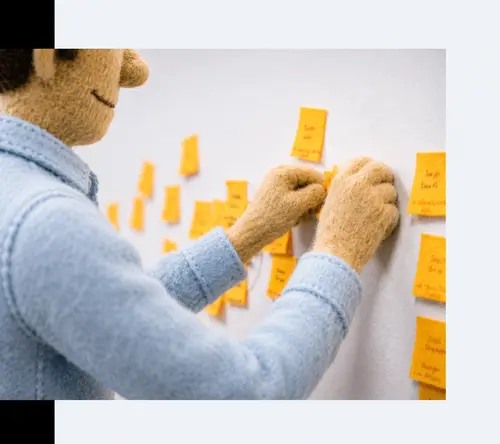
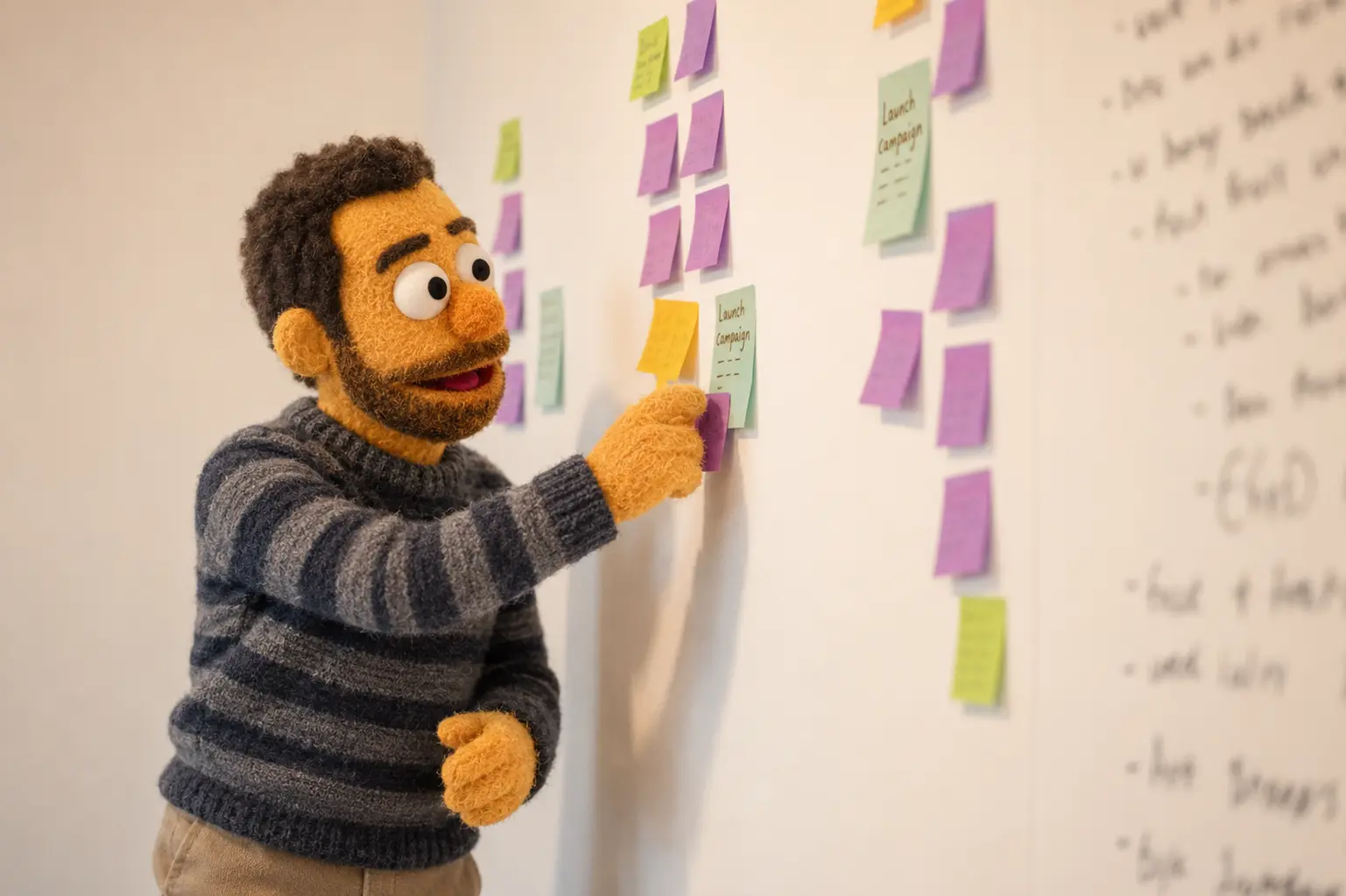
Strong discovery work starts with a running inventory of questions. Some come from client workshops, some from customer interviews, and some from noticing when a team has repeated the same assumption so often it begins to sound like evidence.
At Wolfcrest & Co., early product work is less about celebrating ideas and more about giving them a shape that can be tested. A good concept has to survive contact with users, constraints, timing, economics, and the people who will eventually operate it.
From Signal to Bet
Discovery often begins by separating three things that are usually tangled together: what the team knows, what it believes, and what it hopes is true. That distinction creates room for a smaller and sharper experiment.
A product bet gets stronger when the team can name what would change its mind.
WOLFCREST FIELD NOTES
The workshop design should make bias, inherited language, and overconfident consensus visible. Then a large opportunity can be reduced into decisions the team can actually make.
Why It Matters
Innovation work often fails because the organization tries to protect the idea too early. A healthier discovery practice protects the learning instead. By making hypotheses visible, teams can move faster without pretending uncertainty has disappeared.
That discipline is useful inside enterprise environments where ambition is high, risk is real, and the path forward has to be earned through evidence.