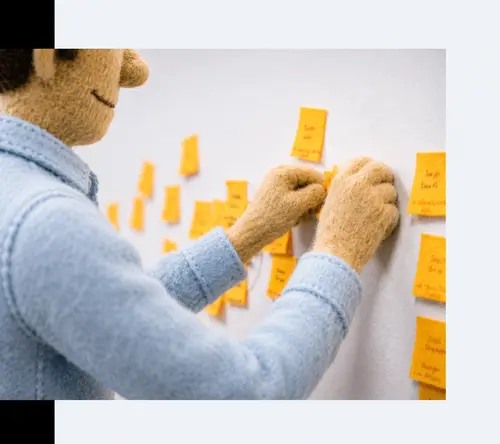
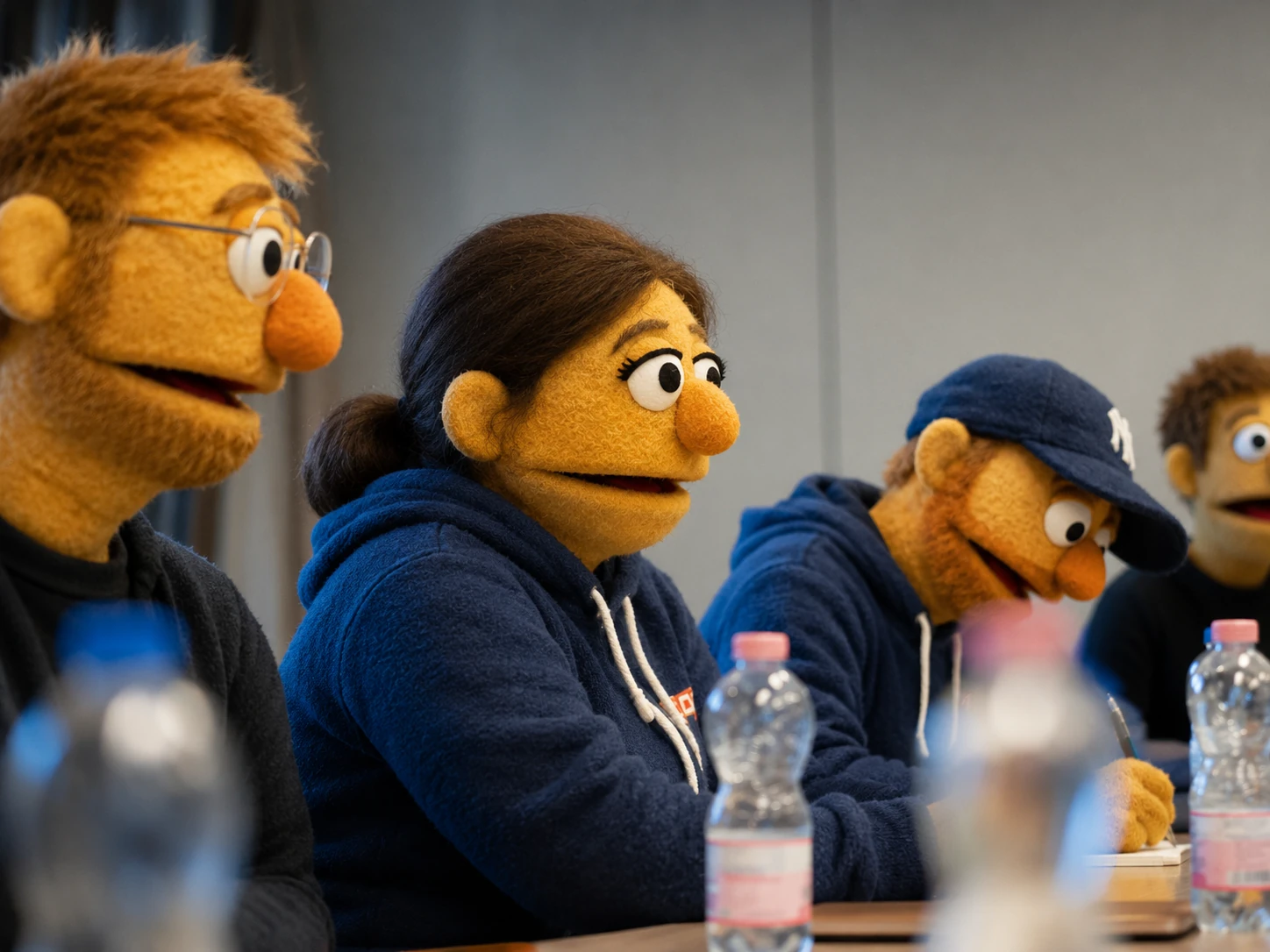
Inclusion cannot live outside delivery. Inclusive teams are built in the daily mechanics of software work: how planning happens, who gets heard, how risk is named, and whether feedback becomes action.
That perspective comes from years of coaching teams through moments when the process looked healthy but the room did not. Standups can be efficient and still silence useful concerns. Retrospectives can be recurring and still avoid the truth.
Rituals That Reveal the Work
Small rituals expose team assumptions quickly. Who explains context? Who translates ambiguity? Who is expected to absorb last-minute changes? Who gets interrupted when tradeoffs become uncomfortable?
- Planning includes explicit risk ownership, not just ticket sizing.
- Retrospectives end with a behavior change, not a mood summary.
- Decision notes record dissent and unresolved questions.
- Team health is discussed before burnout becomes a retention issue.
Agility With Accountability
Agile practice works best when it creates accountability to people as well as outcomes. The process should make it easier to deliver, but it should also make it harder to hide patterns that exhaust or exclude the team.
Wolfcrest & Co. connects delivery excellence with psychological safety because better software depends on better information, and better information depends on people trusting that truth will be used well.