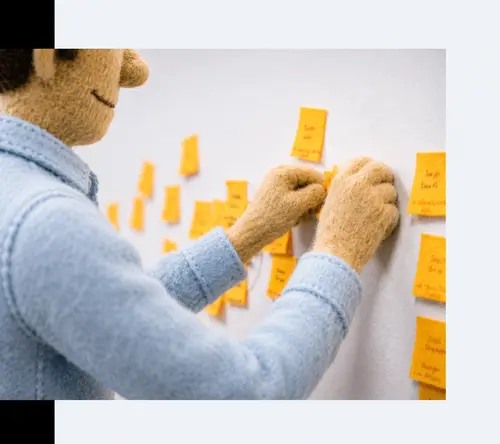

Legacy environments rarely become simple overnight. They are usually full of reasonable decisions that accumulated until no single person could see the whole shape.
The work begins by locating the first useful move. Sometimes that is a technical boundary, sometimes it is an ownership clarification, and sometimes it is a small operational change that lets the organization learn without placing the entire platform at risk.
Complexity With a Map
Teams need to describe what the system actually does, not what the diagram says it does. That means paying attention to undocumented workflows, hidden dependencies, vendor constraints, and the people who have become unofficial routers for institutional knowledge.
The first useful move is rarely the most dramatic one. It is the one that makes the next decision easier.
WOLFCREST FIELD NOTES
Modernization That Can Be Operated
Wolfcrest & Co. grounds modernization work in the idea that technical change must be operable by the organization that receives it. A cleaner architecture is only progress if the team can support it, explain it, and keep improving it after launch.
That patient approach helps clients replace intimidation with sequence: understand the system, choose the first move, learn from it, and keep moving.